
 by
by 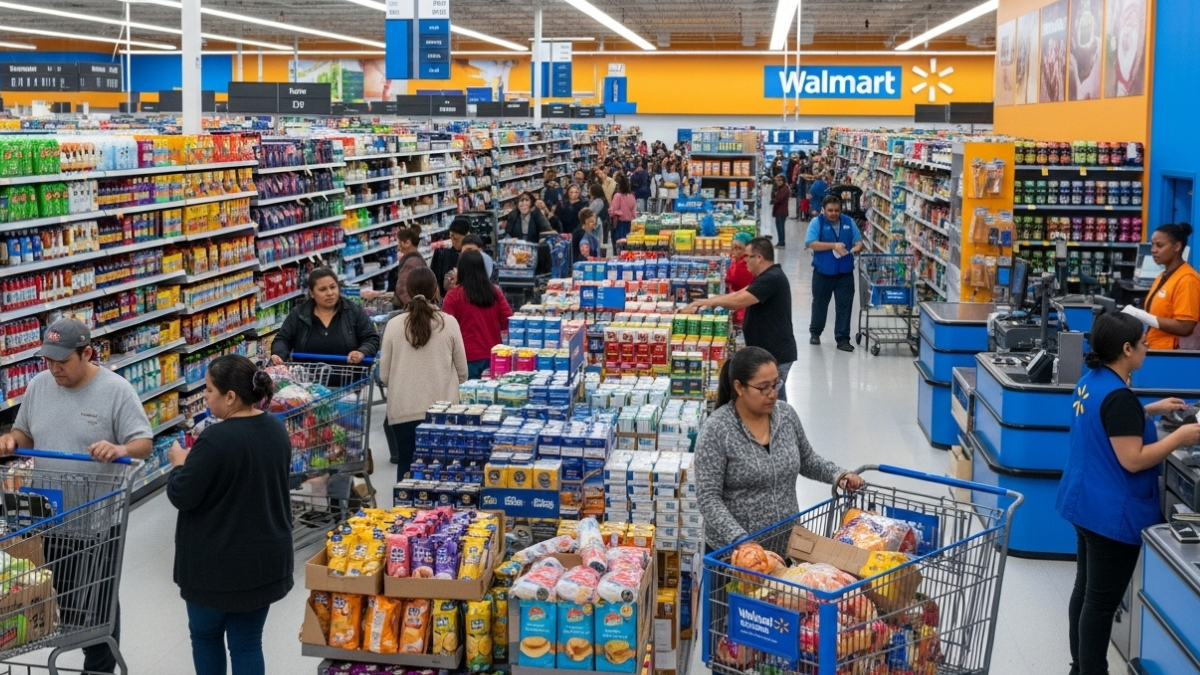
Walmart, a retail staple for numerous communities, has always been accustomed to modifying its operations. Yet, its most recent adjustments to the checkout process have become a subject of debate, generating both annoyance and some appreciation from its wide customer base. With options ranging from widespread self-checkout stations to emerging mobile payment methods, the retail giant is clearly reconsidering how customers complete their purchases—and sparking plenty of conversation in the process.
The checkout process is a key interaction point for any retailer—it's the last experience a customer has," says Sarah Jenkins, an expert in retail and consumer trends. "Walmart is working to strike a balance between efficiency, cost reduction, and customer satisfaction, but these factors don't always work together seamlessly, resulting in noticeable challenges.
Recent reports suggest that these changes are being addressed through a variety of strategies, often differing by store location and influenced by several factors such as growing concerns over theft and the adoption of new technology.
The Self-Checkout Seesaw
One of the most prominent changes has been Walmart's changing perspective on self-checkout kiosks. Once celebrated as the future of fast and hassle-free shopping, they are now facing growing criticism and close examination.
Removal of Self-Checkout: In certain areas, particularly in Missouri and Ohio, Walmart has taken the extreme step of removing all self-checkout machines, switching back to cashier-operated lanes only. This decision follows concerning evidence showing a connection between the spread of self-checkout systems and increased incidents of theft and police reports. For example, one store in Missouri experienced a sharp decline in police visits after eliminating the kiosks, pointing to a clear link between self-checkout availability and "shrink" (a retail term for inventory loss caused by theft or mistakes).
Customer Division: This decision has generated a range of responses. Some customers, who appreciate the convenience and independence of self-checkout for minor purchases, are upset about extended wait times at staffed registers and worry that stores may be cutting back on employees. On the other hand, some shoppers are pleased to see cashiers return, pointing to greater checkout accuracy and the benefit of job creation.
The Growth of "Scan & Go" and Benefits of Membership
Although Walmart is reducing its reliance on self-checkout in certain locations, the company isn't completely stepping away from technological progress. Rather, it's placing a stronger emphasis on mobile-driven solutions.
Expanding the Scan & Go Initiative: The company is currently introducing or expanding its "Scan & Go" technology at certain Sam's Club locations (a subsidiary of Walmart) and gradually in some Walmart stores. With this system, shoppers can use a smartphone app to scan items while they browse, make payments directly via the app, and then present a QR code to an exit associate, completely skipping the need for conventional checkout lines. This approach is viewed as a method to merge convenience with improved security, utilizing AI and QR code validation to deter theft.
Walmart+ Membership Perk: As part of a strategy to enhance its subscription offering, Walmart is now restricting access to self-checkout lanes in certain trial locations to Walmart+ members only. This change requires non-members to use cashier-assisted checkouts, essentially setting up a "fast lane" for subscribers and gently encouraging others to sign up for the $98 annual service.
Why the Constant Adjustment?
Walmart's continuous trials with checkout processes stem from a variety of significant demands:
Theft Prevention: Retail theft, whether deliberate or unintentional (such as from scanning mistakes), has turned out to be significantly more expensive than originally expected with self-checkout systems. To reduce these losses, retailers are removing kiosks or adopting more advanced technologies like Scan & Go.
Customer Experience: Although some customers enjoy using self-checkout, others experience frustration from technical issues, pricing errors (such as a major problem affecting 1,600 stores in March 2024), or feeling confused by the process. Walmart states that its improvements are based on customer input and designed to enhance overall satisfaction.
Labor Expenses vs. Tech Spending: Retailers originally viewed self-checkout systems as a method to cut down on staffing expenses. Yet, the surprising increase in "shrink" and the growing need for monitoring at self-service terminals have prompted a reassessment of this financial trade-off. Emerging technologies such as Scan & Go seek to boost efficiency without completely removing the role of human supervision.
As Walmart experiments further with its checkout system, customers nationwide can expect to face a variety of different experiences. This highlights the ongoing transformation in the retail sector, as major players like Walmart work to strike the ideal balance between efficiency, safety, and shopper satisfaction in a constantly changing marketplace.
No comments:
Post a Comment