
 by
by 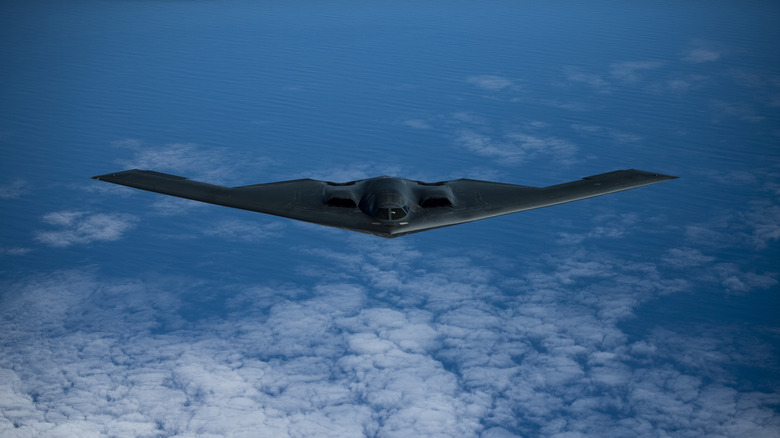
During the final years of the Cold War, the United States was determined to maintain its edge over the Soviet Union. This urgency drove the creation of an entirely new type of aircraft. The bomber, which broke all molds previously seen in aviation, featured a unique design that allowed it to fly without a tail and remain nearly invisible to radar. In addition, it could carry a massive payload of 40,000 pounds—enough to significantly influence the outcome of any conflict. This aircraft was the B-2 Spirit Stealth Bomber, a plane still regarded by the U.S. military as a revolutionary advancement in aerial warfare.
But the B-2 Spirit didn't just appear overnight. Its origins trace back to the 1970s, a time when Cold War tensions remained intense and the U.S. required an aircraft capable of penetrating deep into Soviet airspace undetected. Because of this need, the project began under a secret initiative known as the Advanced Technology Bomber, and the real breakthrough came with a test plane named Tacit Blue, which took its first flight in 1982. This aircraft demonstrated that stealthy, radar-defying designs were more than just theoretical concepts.
Read more: 10 Aircraft That Achieved Flight With Remarkably Low Horsepower
From Hidden Blueprints to the Skies Over Missouri
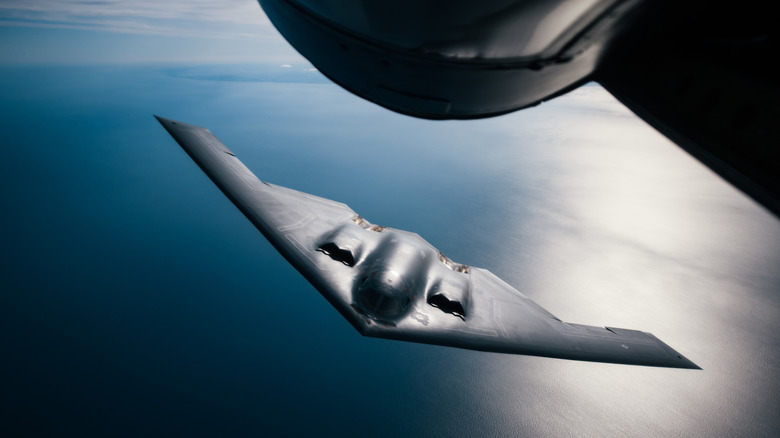
Northrop, which later became Northrop Grumman, was selected in 1976 to develop the B-2 Bomber. However, it required over ten years of testing, engineering, and strict secrecy before the public was finally able to see the aircraft.A brief view of the B-2 Bomber.The aircraft was officially unveiled to the public on November 22, 1988, at Air Force Plant 42 in Palmdale, California. Several months after that, it made its inaugural flight on July 17, 1989.
Production began shortly after that inaugural flight, and the first operational B-2 was handed over to Whiteman Air Force Base in Missouri on December 17, 1993. This base would go on to serve as the long-term home for the entire fleet. By April 1997, the aircraft was certified as combat-ready, and by December 2003, it achieved full operational status. Although there had originally been plans to manufacture 132 planes, this figure was significantly reduced. The end of the Soviet Union and the subsequent shift in geopolitical dynamics played a major role in this decision.the expensive construction of the B-2 Bomber— costing more than $2 billion per aircraft — led to the production of just 21 B-2 bombers from 1989 to 2000.
A Plane That Continues to Soar
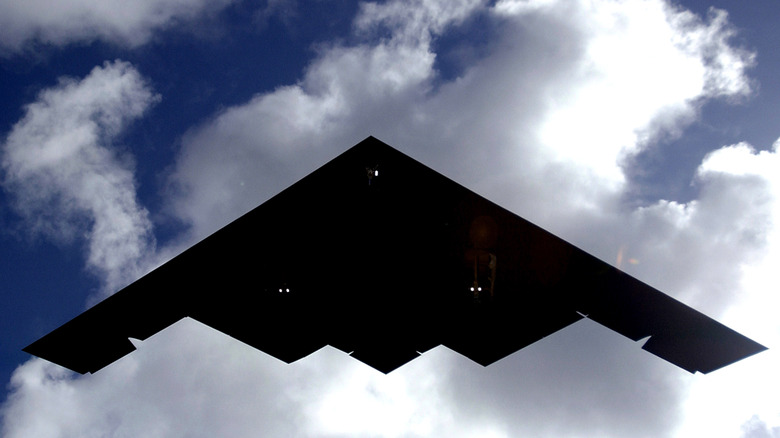
Of the 21 B-2s ever built, 20 were intended for operational use while one was used exclusively for testing. However, not all have survived. In 2008, a B-2 crashed during takeoff in Guam, and another was retired after an incident at Whiteman AFB in 2022. Each of these aircraft was meticulously assembled over several years. As of 2025, only 19 B-2 bombers remain in active service, continuing to operate from Whiteman AFB.
Despite its limited numbers, the B-2 has been deployed in combat zones worldwide. Ranging from Serbia in 1999 to more recent operations in Yemen (2024) and Iran (2025), this stealth bomber continues to play a vital role in U.S. air capabilities. Its ability to travel 6,000 nautical miles without needing fuel makes it especially well-suited for long-range global strikes. Although the B-2's journey isn't finished, it now has a successor in development: the B-21 Raider, a new generation stealth bomber.
Looking for the newest updates in technology and automotive trends?Sign up for our complimentary newsletterGet the newest headlines, expert guides, and practical tips delivered straight to your inbox—one email at a time.
Read the original article on Tech Bytes Lab.
No comments:
Post a Comment