
 by
by 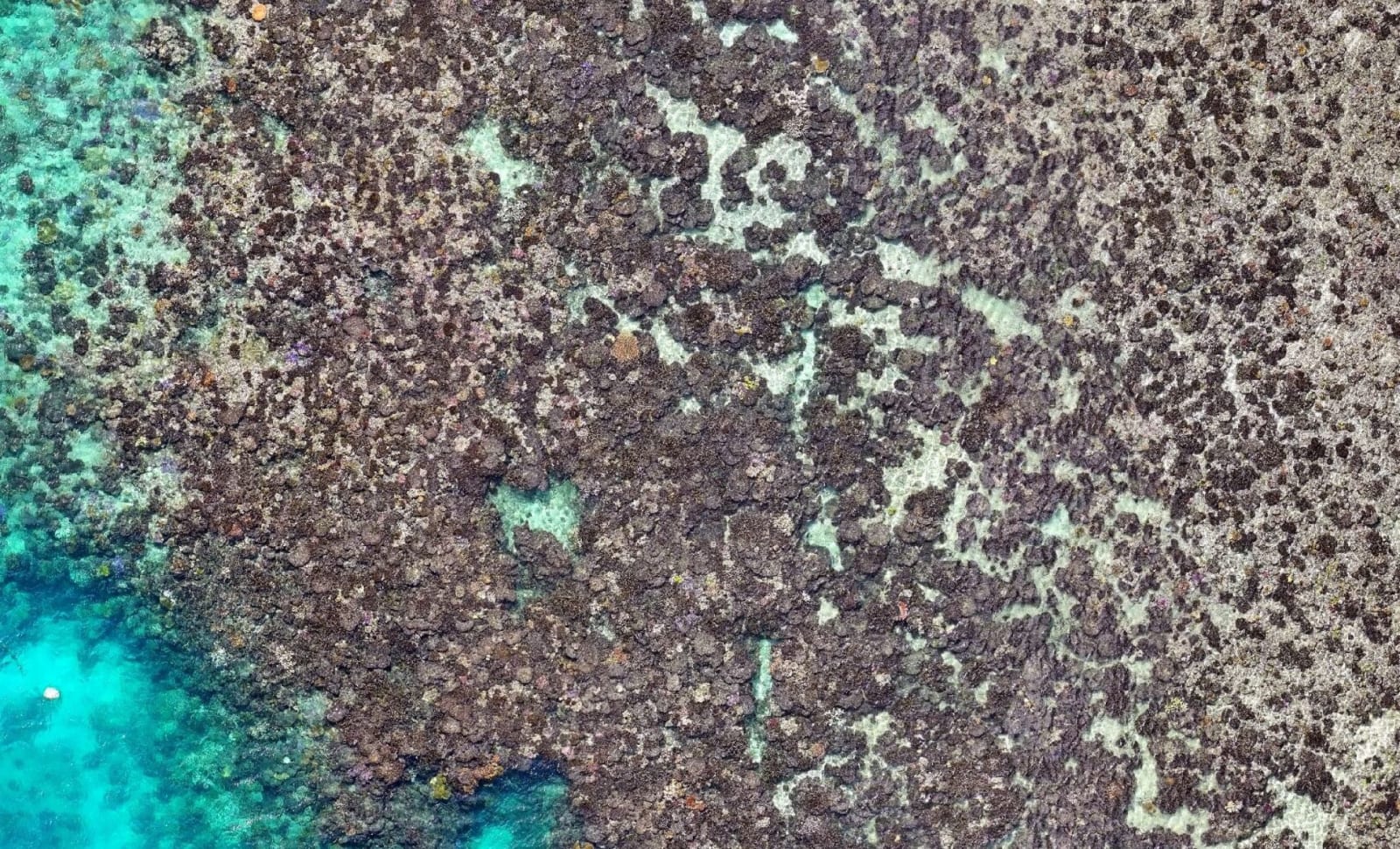
Coral reefs around the globe, such as the Great Barrier Reef, have experienced significant harm due to recent bleaching occurrences linked to increasing sea temperatures.A study from 2025 that was published inCoral Reefsspotlights the severe consequences of the 2024 Fourth Global Coral Bleaching Event at Lizard Island, where coral death rates reached as high as 92%. The study, relying on drone-captured images, emphasizes how susceptible coral ecosystems are to climate change and stresses the critical importance of taking immediate steps to safeguard marine biodiversity.
Drone Technology's Contribution to Coral Reef Studies
A crucial element contributing to the success of this research was the implementation of drone technology, which allowed scientists to obtain high-resolution images of coral reefs at various stages – before, during, and following the bleaching incident. The drones employed, namely the DJI Mini 3 Pro and Autel Evo II models, offered exceptional accuracy, enabling researchers to record the degree of coral bleaching and evaluate coral survival across extensive regions. Professor Jane Williamson, a senior contributor to the study, emphasized the notable benefits of utilizing drone-captured imagery: “With drone-based imagery, we were able to monitor the quantity of both bleached and healthy coral throughout and after the bleaching episode,” she explained. “Incorporating this technology allows us to expand our understanding of the bleaching event’s impact across broader areas while maintaining a high level of detail.”
Drone technology has demonstrated significant value in delivering thorough and precise evaluations of reef conditions, especially in regions that are challenging to reach using conventional methods. The capability to survey extensive portions of the reef with high-resolution detail is essential for monitoring its long-term health.coral ecosystemsand pinpointing the regions most vulnerable to the impacts of climate change.
Unprecedented Coral Mortality Rates
The findings from the study are both concerning and sobering. Dr. Vincent Raoult, who headed the research, emphasized the seriousness of the bleaching incident: “This represents one of the highest coral mortality rates ever recorded worldwide.” The study found that in some regions of Lizard Island, coral death rates exceeded 92%, with particular areas suffering complete devastation. These results carry significant consequences, as Lizard Island has historically been regarded as a robust section of the Great Barrier Reef. Although the reef has faced environmental pressures in recent years, such as cyclones and outbreaks of Crown-of-Thorns starfish, it had previously shown signs of recovery. Yet, the bleaching event of 2024 turned out to be devastating, exceeding the reef's capacity to recover.
The death rate at Lizard Island is especially alarming when considered alongside the relatively lower levels of heat stress experienced there compared to other reef areas. Dr. Raoult stated, “Even though Lizard Island has faced less heat stress than other regions of the Great Barrier Reef, the level of coral mortality we’re seeing is unlike anything before.” This highlights how vulnerable coral ecosystems are to even slight rises in sea temperatures. With the ongoing progression of climate change, reefs worldwide are expected to encounter increasingly severe challenges, possibly leading to permanent harm unless urgent measures are implemented.
The Enduring Risk to Coral Reef Resilience
The results of this study are particularly alarming in light of the rising frequency and severity of extreme heat events expected in the coming years. As Professor Williamson emphasized, the situation demands immediate action on climate change: “These findings raise serious concerns about the ability of coral to withstand future conditions, especially with more frequent and intense heatwaves projected in the near term, which could lead to irreversible damage for reef systems like those we examined in the Great Barrier Reef.”
Coral reefs play a crucial role in marine biodiversity, hosting a diverse array of sea creatures and delivering key ecosystem benefits like safeguarding coastlines. The decline in coral coverage impacts ocean life and brings serious socioeconomic challenges, especially for populations that depend on reefs for income from tourism and fishing. As climate-related threats grow more intense, coral reefs are increasingly vulnerable to collapse, with recovery potentially taking many years or even multiple decades.
The research team is currently conducting further surveys at Lizard Island to monitor possible recovery in the coming years. These activities are part of a larger program aimed at tracking and preserving coral reefs throughout Australia, supported by funding from the Australian Museum Lizard Island Critical Grant.
Enjoyed this article? Sign up for our complimentary newsletterFor captivating tales, unique content, and up-to-the-minute updates.
To read more stories like this, check outTech Bytes Lab.
No comments:
Post a Comment