
 by
by 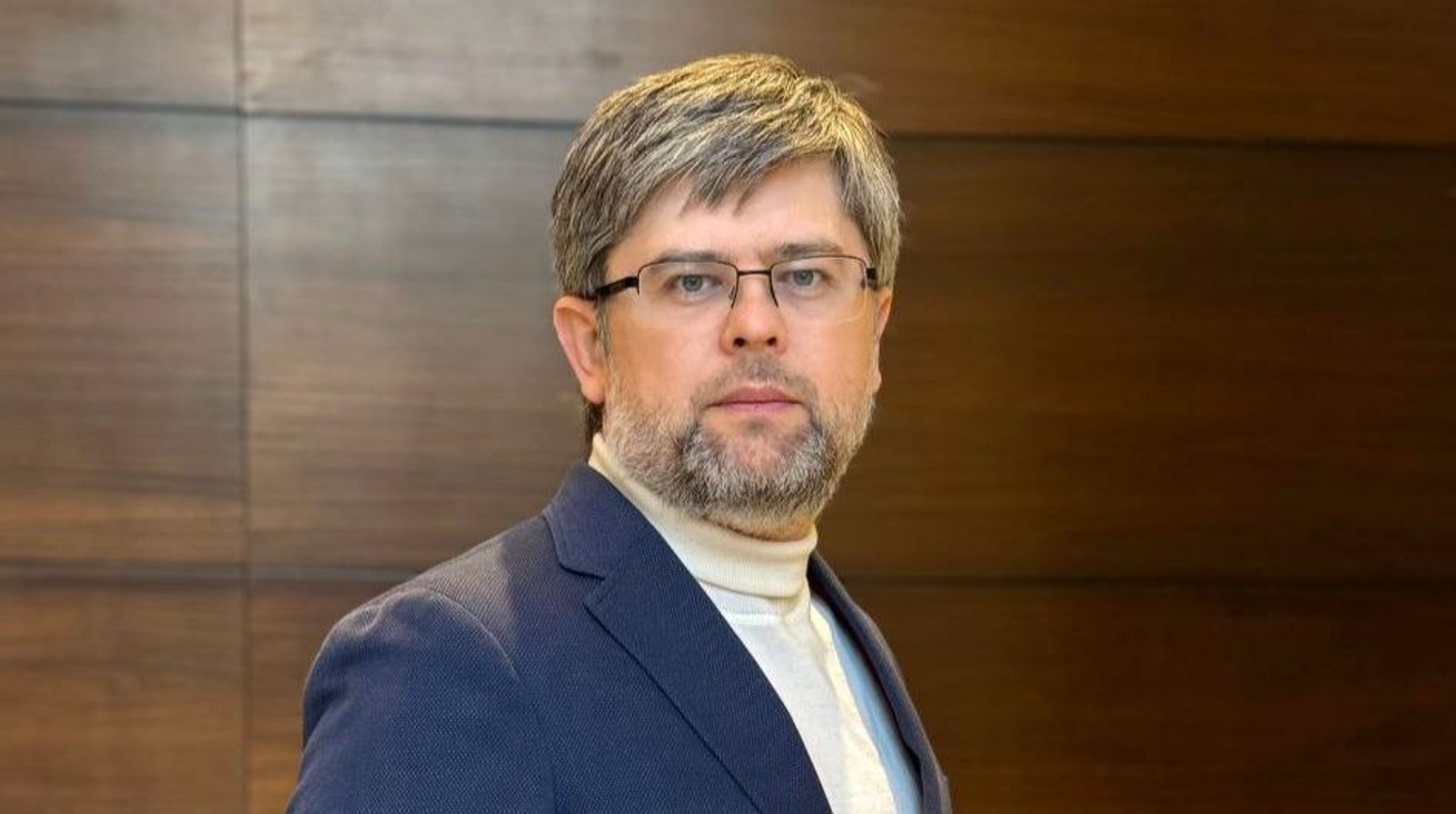
In a world more and more influenced by artificial intelligence, one pioneer is utilizing this powerful change not only in code and displays—but in the earth itself under our feet.
Meet Denis Krysanov, the Finnish entrepreneur and forward-thinking technologist reshaping the way we discover Earth's natural resources. As the founder ofHeologic Group,Krysanov is spearheading a subtle transformation in energy exploration using a revolutionary technique known as Digital Geochemistry—a scientifically based strategy that is reshaping our ability to identify and interpret underground formations.
Q: Denis, how did your path into the field of geoscience and AI-driven exploration start?
Denis Krysanov: My journey started in Finland, where I first worked in the technology field—showcasing and implementing cutting-edge solutions for the oil and gas industry, such as offshore drilling systems and platform upgrades. Although this provided me with a solid base and my company was earning more than $15 million annually with strong growth prospects, I soon understood that selling other companies' technologies wasn't sufficient. I aimed to build something unique—something that could transform how we explore the planet.
For many years, I have assessed and experimented with numerous advanced innovations from different parts of the globe. What stood out to me was how traditional exploration techniques were largely separate from the true capabilities of automation and AI. I came to believe that the future depends on interpreting nuanced geochemical signals—particularly helium gas releases from underground—and integrating them with comprehensive geological, geophysical, and machine learning frameworks.
That belief resulted in the creation of Heologic. Our goal is straightforward: to make the subsurface smart—providing quicker, more precise, and more eco-friendly exploration using advanced data and digital geochemistry. What previously required years and millions of dollars can now be accomplished more effectively, rapidly, and with significantly reduced environmental effects.
Q: What is precisely Digital Geochemistry, and how does it vary from conventional techniques?
Krysanov: Digital Geochemistry represents a new approach to exploring natural resources. Conventional geochemical exploration involves physical sampling and laboratory analysis, and often experiences signal loss and delays.
Our approach employs real-time helium gas flow detection on the surface, artificial intelligence-driven irregularity identification, and sophisticated geological modeling. Rather than waiting for weeks to receive laboratory findings, we analyze geochemical signals immediately. This leads to a detailed perspective of underground activities—such as hydrocarbons, lithium brines, geothermal energy, or natural hydrogen.
We refer to it as a new language of the planet—where gases such as helium serve as signals that, when interpreted properly, uncover areas rich in resources without the need for intrusive drilling.
Q: Many individuals now recognize you as "The Helium Guy." Where did this nickname originate?
Krysanov: (Laughs) Indeed, the industry bestowed that name on me after we started demonstrating that helium anomalies—once ignored—could reliably signal the existence of oil and gas. This allowed major operators to decrease the number of dry wells and save millions. However, helium is not only a marker for hydrocarbons. It is also essential on its own for medical imaging, space technology, and semiconductor manufacturing. We are assisting companies in locating helium reserves as a separate resource as well.
Q: Heologic has seen significant momentum. How has the industry responded?
Krysanov:In 2024, we were deeply honored to be recognized as one of Darcy Partners’ Top 10 Most Innovative Companies in Geoscience for Energy. This acknowledgment was a significant achievement for us, particularly considering Darcy's reputation for spotting genuine innovations rather than mere buzz. However, for me, the true value lies in the practical confirmation we've witnessed on the ground.
We have collaborated with operators from various parts of the world—assisting them in speeding up findings, lowering exploration expenses, and greatly minimizing the environmental impact of initial operations. With our approach, we have already examined more than 42,000 square kilometers globally—and the need for our services is increasing.
For many years, we have gathered over 50 million rows of helium subsoil flux data, which has made us the holders of the world's biggest helium database—spanning both land and sea areas. This one-of-a-kind dataset provides a perfect base for training and improving our AI systems, allowing for increased accuracy and forecasting ability in upcoming exploration projects.
In numerous instances, our technology has been implemented via pilot projects, during which we had to prove clear value before any drilling commenced. Whether in pilot initiatives or large-scale field operations, our clients consistently show high levels of satisfaction with the results. We provide accurate identification of genuine helium anomalies and effectively link them to existing geological and geophysical data. Over the past few years, more than 20 exploration wells have been drilled using our data, and we have not faced a single situation where our predictions about hydrocarbon potential or drilling results were incorrect. That's the strength of digital geochemistry—it creates real impact from the start, using actual data and practical insights, well before any drilling begins.
And what we're witnessing is a transition—from curiosity to certainty. Leading energy companies are no longer just experimenting with our solution, but integrating it into their daily operations. It's becoming a key element of their plan to explore in a more intelligent, efficient, and environmentally friendly manner. This kind of practical success shows me that we're not simply following a trend—we're contributing to its direction.
Q: You mentioned Darcy Partners. Could you discuss that acknowledgment?
Krysanov: Being recognized as one of Darcy Partners’ Top 10 Innovators in Geoscience for Energy was a humbling and deeply encouraging moment for our whole team. Darcy is highly regarded within the energy industry for their thorough method of identifying, assessing, and advancing technologies that genuinely have the ability to drive progress in the sector. Their recognition holds significant value because it isn't driven by marketing efforts—it's rooted in actual performance, evaluations from peers, and input directly from operators and technical professionals in the field.
For us, it represented a significant turning point. We transitioned from being viewed as a daring innovation in digital geochemistry to being acknowledged as an essential asset for successful exploration. This acknowledgment helped create opportunities—not only for projects, but for meaningful strategic discussions with key figures in the oil and gas, lithium, and geothermal industries. It provided industry leaders with the assurance to test our technology, knowing it had already undergone a reputable assessment.
And maybe most crucially, it instilled a feeling of pride and forward motion within our team. We have consistently believed in the ability to transform through our creations, but Darcy's public recognition significantly sped up acceptance and brought the discussion on helium-driven digital exploration into the mainstream.
Q: What motivated you to apply helium-based surveying technology to the marine setting? Was there a particular challenge or project that led to this advancement?
Krysanov:The concept emerged from a need for better solutions. Conventional marine geochemical techniques were not yielding useful information about helium, which is highly volatile and dissipates quickly. During an offshore project, we tried traditional sampling methods but soon found they couldn't consistently detect helium. This setback led me to reconsider the entire approach. I wondered—what if we created an on-site laboratory that could extract and analyze helium directly from water samples in real time? This basic idea developed into a complete innovation: a high-accuracy, automated system for detecting helium in marine environments. The technology enables us to identify hidden irregularities from hydrocarbon deposits beneath the ocean floor. It proved to be a major breakthrough.
Q: Offshore exploration is generally considered to involve significant risk and expense. How does your helium detection system help minimize uncertainty for operators in such settings?
Krysanov: Our technology offers early, non-invasive understanding of underground fluid movement—information that operators typically only discover post-drilling. By identifying helium irregularities above possible traps, we enable companies to focus on promising areas or reduce risks associated with seismic data. In blind tests, our offshore helium surveys accurately predicted drilling results with up to 100% precision. This level of accuracy significantly reduces unnecessary exploration wells, speeds up decision-making, and can lead to savings of tens of millions in offshore budgets. Essentially, we provide a digital exploration layer that integrates with current seismic and geological models, supporting more informed investment decisions before committing to a single drilling rig.
Q: You talked about your offshore technology. Have you written anything about it?
Krysanov: Certainly, I believed it was crucial to record our offshore successes in depth, which resulted in the publication ofHigh-Precision Marine Helium Surveyslast year. This publication marks a significant achievement—not only for our team, but for the wider geoscience and ocean exploration fields.
It gathers decades of practical experience and research, including initiatives we have carried out in the Caspian Sea, the South China Sea, and other challenging offshore areas. We have encountered a wide range of obstacles, from logistical difficulties to technological constraints at sea, and this book outlines how we consistently addressed these issues through creative solutions.
The central part of the book centers on our onboard helium detection and analysis systems—how we gather gas samples directly from water, analyze them in real time, and combine this data with seismic and geological maps. This is the first instance where this degree of real-time marine helium analysis has been presented as a full, independent method.
In addition to being a technical guide, the book serves as a rallying cry. Offshore exploration is costly, risky, and typically slow. This publication advocates for a smarter, less intrusive, and more economical method of investigating under the ocean floor—one that supports current ESG objectives and business finances.
I hoped not only to share our expertise but also to contribute to creating a new benchmark in marine geochemistry— one that motivates operators, scientists, and officials to use more environmentally friendly and efficient methods for exploring the oceans.
Q: We heard that you recently released another book. Could you share more details?
Krysanov: Absolutely. Digital Geochemistry: The Emerging Tongue of the Planetrepresents the result of over ten years of practical research, field advancements, and thorough scientific investigation. In many respects, it serves as both a declaration and a guide — highlighting where exploratory science has progressed, and even more significantly, where it must head next.
The book familiarizes readers with the fundamentals of high-accuracy helium flow detection, which is central to our Digital Geochemistry approach. However, it extends beyond that — examining how artificial intelligence and automated data processes are transforming the way we analyze geochemical signals, combine them with seismic and geological data, and support real-time exploration decisions.
The objective was to develop something that is both scientific and easy to understand — a book that can be found on a university reading list as effortlessly as on an operator's desk. In a time when speed, sustainability, and accuracy are more important than ever, I feel this book offers the kind of insight and hands-on knowledge that can genuinely influence the future of exploration.
Q: You might be involved in various professional organizations. Could you share more about that?
Krysanov: Certainly, I have participated in several professional organizations throughout my career. In the beginning, I was a member of a well-known group where I assessed hundreds of innovations related to oil and gas development. These assessments had a substantial effect on the market, helping this organization adopt effective international strategies.
At present, I am part of the Society of Petroleum Engineers (SPE), an international group dedicated to advancing technology within the upstream oil and gas sector. I have been asked to take on the role of Director in one of the regional sections, with an emphasis on AI and new developments.
I also work as a reviewer for the Society of Exploration Geophysicists (SEG) Journal—a top journal in the field of global geophysics—and for the European Association of Geoscientists and Engineers (EAGE), which specializes in applied geosciences. In recent times, some of my thoughts have been featured in Forbes and other media platforms.
Q: Have you received any funding to help advance your technology?
Krysanov: Yes, we have dedicated significant effort over the years to promote and adapt our technology for local markets. Recently, our team based in Kazakhstan, with my full support and direction, obtained a substantial grant exceeding 0.5 million USD from the National Science Fund to bring our innovations to market. This funding will enable us to expand our activities in a country that greatly requires new advancements.
We view Kazakhstan as a crucial strategic market, and we are also seeking funding in other regions where our technology can have a substantial effect. These initiatives align with our overall goal of making energy exploration more accessible.
Q: What about your marketing approach? How are you promoting yourself?
Krysanov: Our marketing strategy is based on promoting expertise and connecting with communities, rather than using conventional advertisements. We are presenting a completely new perspective on exploration—therefore, the main focus is on education, establishing trust, and motivating belief in our vision.
Digital Geochemistry is challenging traditional beliefs within a very traditional industry, which makes visibility through the exchange of knowledge a crucial part of our approach. I spend a large amount of my time engaging in expert podcasts, writing articles, providing interviews, and presenting at global conferences. These channels enable us not only to present our technology, but also to initiate meaningful discussions about the future of exploration and the pressing need for more efficient and environmentally friendly techniques.
We are also motivating numerous top professionals in the industry—those who have confirmed our technology through hands-on experience—to share their outcomes openly. This form of peer-to-peer promotion is highly effective. Indeed, we are nearing a significant achievement with more than 50 global clients who can independently confirm the effectiveness of our techniques. When well-regarded geoscientists and engineers support our approach, their opinions hold much greater trust and impact than any advertising effort could.
In the end, we aren't simply advertising a product — we're advocating for a change in perspective. Our objective is to transition Digital Geochemistry from a specialized breakthrough into a worldwide norm. This requires determination, openness, and the bravery to drive the discussion, even when it challenges the current way of thinking.
Q: Have you worked with investors before?
Krysanov: We do, although it has been quite restricted by design. Heologic was created as a self-sustaining, innovation-driven company. We initially concentrated on establishing a strong technological base, testing our method in practical settings, and achieving tangible outcomes before looking for external funding. This approach enabled us to expand naturally, maintain autonomy in our choices, and improve our products without the influence of outside pressure to grow too quickly.
However, we are now stepping into a new era. The worldwide need for quicker, greener, and more affordable exploration is increasing, and our technology is prepared to address this need. We have demonstrated the success of Digital Geochemistry and high-precision helium surveys across various regions—ranging from dense jungles to arid deserts, from agricultural lands to offshore facilities. With an expanding client base, solid reputation, and a model that can scale, we feel we are in the best position we've ever had to connect with investors.
We're not solely seeking financial support—we're looking for strategic allies who comprehend the energy shift and have confidence in the potential of data to transform the way we explore natural resources. A suitable investor can assist us in introducing this technology to more markets, quicker, and with a stronger effect. Therefore, although funding wasn't a central aspect of our initial journey, it is definitely a crucial element moving ahead.
Q: What are your future business strategies?
Krysanov: Our company is expanding quickly and entering new global markets. Currently, there is a substantial rise in interest for our services in South America, the Middle East, Asia, and North America. Taking into account the current growth and upcoming projects, we anticipate a fivefold increase in revenue over the next year.
The American market is particularly promising. As there is renewed focus on local manufacturing, our solution provides an economical method to examine traditional reservoirs. In comparison to unconventional methods, our break-even expenses are much lower. Several companies are considering investing 150 million U.S. dollars in the exploration of natural resources within the United States, where our helium-based Digital Geochemistry will be essential.
We are also broadening our offshore offerings. Marine helium surveys are becoming recognized as crucial instruments for minimizing risks in offshore projects. Increasingly, our approach is no longer considered optional, but rather a necessity for contemporary offshore exploration.
At Heologic, we are more than just establishing a business. We are creating a digital platform for interpreting the language of the Earth, and we are encouraging the entire industry to join us in learning to communicate in it.
Released on July 9, 2025.
No comments:
Post a Comment