
 by
by 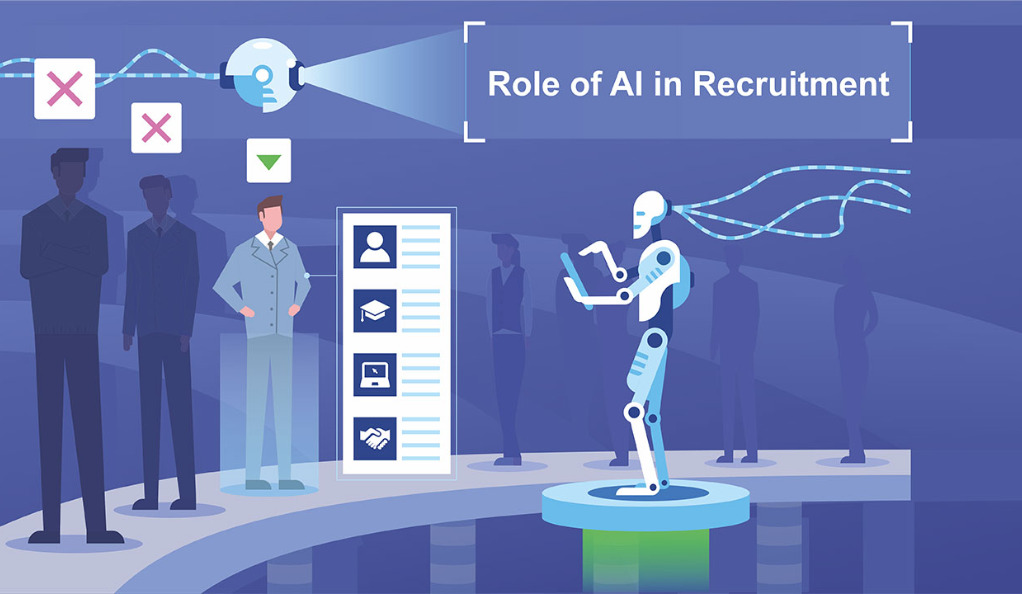
The conventional job interview has historically been the mainstay of hiring, but with the swift advancement of technology, the recruitment process is also changing. Artificial Intelligence (AI) is leading this change, ushering in a new time of efficiency, precision, and fairness in interviews. This transition is not just a passing fad; it's a transformation that is poised to reshape the future of hiring for many years ahead.
The Importance of Innovation in Recruitment
Hiring has consistently been a challenging and demanding process. Conventional interviews frequently come with certain limitations such as:
- Subjectivity and unconscious bias
- Time-intensive processes
- Barrier of logistical challenges
Businesses are looking for methods to address these challenges in order to attract, evaluate, and integrate new staff efficiently. Artificial intelligence is emerging as a strong solution to simplify these procedures, offering a more qualified, varied, and well-suited team.
The Impact of Artificial Intelligence on Contemporary Job Interviews
The ability of AI to improve the interviewing process is extensive and varied. Here's how it is shaping the latest trends in hiring strategies:
1. Artificial Intelligence-Driven Screening and Evaluation Tools
One of the major difficulties in hiring is sifting through hundreds or thousands of job applications. Artificial intelligence tools that use machine learning can efficiently review resumes and applications to find the most suitable candidates according to a specific set of standards.
- Natural Language Processing (NLP): This technology enables the real-time analysis of candidate answers during interviews, evaluates the accuracy of meaning, and offers employers models that indicate how well a candidate matches the job based on their language skills and communication approach.
- Skill Evaluation Exams: Artificial intelligence can conduct and evaluate standardized assessments that precisely measure a candidate's abilities.
2. Improving Objectivity and Expanding the Workforce Diversity
Artificial intelligence contributes significantly to minimizing human prejudices commonly found in conventional interviews. Concentrating exclusively on data and impartial standards, AI promotes a fairer recruitment procedure.
– Blind Hiring: AI technologies can remove candidate information to ensure evaluations are unbiased concerning age, gender, race, or other individual characteristics.
– Varied Talent Sources: Algorithms ensure each applicant is evaluated based on their qualifications, promoting inclusivity within companies.
3. Enhancing Efficiency and Uniformity
Artificial intelligence technologies improve the effectiveness of hiring by handling routine activities and ensuring consistent evaluation procedures.
– Automatic Scheduling: AI-powered systems can handle interview arrangements, sending alerts and notifications to simplify the process.
– Uniform Interview Process: Automated interview systems guarantee that every candidate receives the same list of questions, enabling a balanced assessment. This promotes consistency in evaluating applicants.
AI and the Job Candidate Experience
A major advantage of using AI in interviews is the enhancement of the candidate's overall experience. Through AI, applicants encounter a more interactive and tailored process, which enhances the company's image as an employer.
1. AI-Driven Interview Tools
AI systems offer environments that enhance the conversational and interactive nature of candidate experiences.
– Chatbots and Virtual Assistants: These systems provide immediate answers to candidate questions, improving involvement right from the initial contact.
– Interactive Activities: Applicants can engage in real-life simulations driven by artificial intelligence, such as programming assessments or innovative problem-solving tasks, fostering an energetic and practical application environment.
2. Feedback and Analytics
Systems powered by artificial intelligence enable prompt feedback and valuable insights, which are essential for applicants moving forward in the hiring process.
– Candidate Insights: Artificial intelligence can create personalized feedback reports after evaluations, enabling candidates to recognize their strengths and areas that require enhancement.
– Analytics and Insights: Businesses gain access to analytical data that highlights obstacles and enables the refinement of hiring approaches.
Tackling Issues: Ethical and Privacy Considerations
As artificial intelligence becomes increasingly involved in the hiring process, ethical issues and privacy problems need to be openly discussed.
1. Safeguarding Data Privacy and Protection
Artificial intelligence systems handle large volumes of confidential data. Businesses need to implement top-tier digital security measures to safeguard applicant details.
2. Tackling Algorithmic Bias
Artificial intelligence systems can unintentionally carry forward biases found in the data they are trained on. Businesses should implement continuous reviews and modifications of these algorithms to ensure fairness and prevent biased outcomes.
Final Thoughts: Adopting the AI-Powered Future of Recruitment
The use of AI in the job interview process signifies a major change from conventional hiring practices. It is not only a technological improvement but also a move towards more intelligent, fair, and effective recruitment. As businesses become aware of AI's ability to transform the hiring environment, the most prudent action they can take is to implement AI in a careful and ethical manner, ensuring the protection of both company goals and the experiences of applicants.
In the end, AI is not designed to take over human decision-making but to support and strengthen it. Using AI's accurate analysis and quick processing, human recruiters can concentrate on the complex, personal elements of recruitment. When combined, AI and human intelligence can create a flexible hiring process that meets the needs of today's work environment.
Subscribe to keep reading
This is a post available only to subscribers. Become a subscriber to gain access to the rest of this content and other exclusive material.
No comments:
Post a Comment