
 by
by 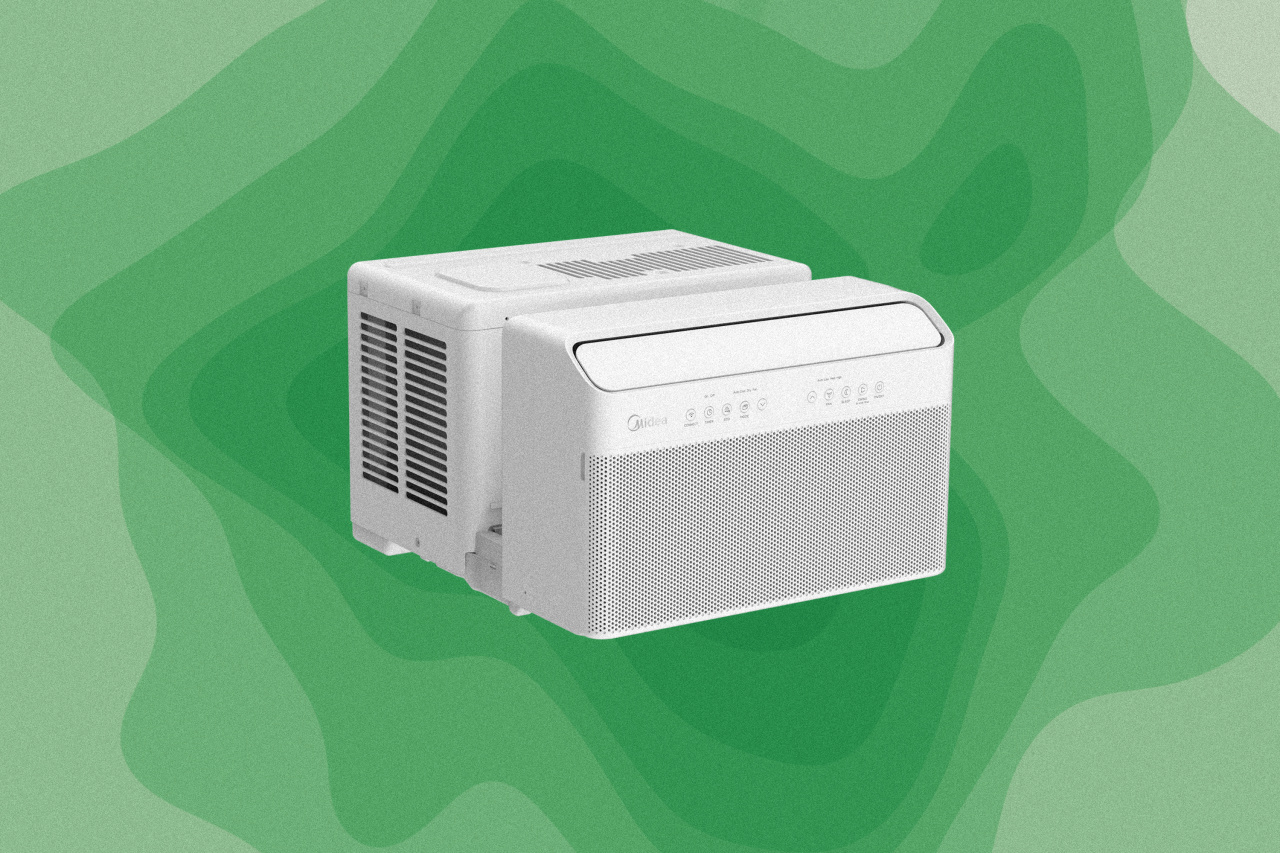
You never want to get an email about a product recall. But you really don’t want to get that email when it’s the start of summer and the recalled product is your air conditioner—and especially not when the email includes two words that recently appeared in millions of inboxes.
Mold exposure.
Five years before that email was sent, the world of air conditioners was blown away by a sleek U-shaped AC. Most window units are clunky and way too loud, but this one made by Midea was chic and blissfully quiet. Before long, consumers were obsessed with the coolest AC on the market .
Now everyone’s favorite air conditioner is feeling the heat. The hit product disappeared from shelves and Midea recently issued a voluntary recall after getting reports of a nasty problem.
“Pooled water in the air conditioners can fail to drain quickly enough,” the company explained, “which can lead to mold growth.”
Midea’s recall website provides clear instructions to find out whether your AC is affected, plus a step-by-step guide to inspect your unit for mold. The company is also offering two remedies: repairs and refunds. You can get it repaired free of charge by a technician, or request a do-it-yourself kit with an upgraded drain plug. You can also cut the power cord and send the company photographic evidence for a full or prorated refund.
Either way, it’s annoying. If you keep it, you have to wait for a Midea representative to schedule a technician visit or for the repair kit to arrive. If you dump it, you have to deal with the only thing more frustrating than a potentially moldy AC: an AC that needs to be installed. (And if you don’t spot or smell mold, the company says they’re safe to keep using as you wait for a repair.)
The curious thing about how any company handles a crisis is that it can actually help with customer loyalty. It remains to be seen whether Midea’s response will be enough to turn down the temperature.
In this case, the mere idea of mold was all it took to spoil this enormously successful product for some people who once swore by it. And the recall left many more people wondering what to do with their ACs at the exact moment they would like to be using them.
Until now, Americans loved the U-shaped AC because it looks and sounds unlike classic box ACs. Most air conditioners whir. This one whispers. After its release five years ago, the elegant and oddly delightful appliance was recommended by review sites from Wired to the Wirecutter . For a while, there was so much demand that Midea couldn’t keep up with the supply. And the Consumer Product Safety Commission revealed just how popular this peculiar device has become when the agency said the recall would apply to 1.7 million units.
But as it turns out, it’s not the only AC that comes with a risk of unwanted biological growth.
If you shine a flashlight into the guts of a typical window unit, there’s a good chance you’ll be staring at something you really do not want to see.
In fact, the more you know about ACs, the less surprised you are by the presence of mold.
Gabriel Erde-Cohen knows a lot about them as the chief executive of We Clean Heat Pumps, which also cleans air conditioners. “If it has a fan and coil,” he says, “we can clean it.” His maintenance company finds mold in the vast majority of equipment that it cleans. He says the fans and coils inside any AC can get filthy, but they’re usually hidden. The design of this AC happens to make that filth more visible.
“I’m convinced the reason for this recall is that it’s easy to see the mold growing in the fan,” he said.
It’s also worth remembering that products are subject to safety notices all the time for all sorts of reasons. On the same day this AC was recalled, the CPSC also flagged dumbbells, e-bikes, golf carts, portable bassinets and more than 7,000 chain saws.
Then again, I don’t keep chain saws in my bedroom. I do own multiple ACs made by Midea—and I needed to know what to do with them.
The company’s FAQ page about the recall was helpful, but I still had more questions.
Midea America, a subsidiary of the Chinese manufacturing giant, received more than 150 reports of mold, including some from consumers who said they came down with respiratory symptoms. The company hasn’t said when it learned of the issues but told me what it’s doing to address them—like asking retailers to pull ACs until they’re fixed, updating the recall website, expanding a network of technicians and making videos that explain how to clean the AC and use the DIY kit . In short, the company is standing by its product.
“We value the trust our consumers place in our innovative products,” Midea said. “When an issue such as this one arises, our immediate priority is to make it right.”
To find out how often issues like this one arise, I called Bryan Orr, the host of a podcast called HVAC School. I knew I was talking to the right kind of nerd when he began geeking out about dew points—and told me that he doesn’t even like to utter the word “mold.”
“I usually say ‘moisture,’ ” he said. “You don’t have a mold problem if you don’t have a moisture problem.”
The other problem is that most ACs weren’t designed with American consumer behavior in mind. You might keep your Midea blasting at 68 degrees all night. But in Asia, the priority is efficiency. And in Europe, the ideal amount of air conditioning is none at all. “AC just isn’t used the way that we use it,” Orr said. “In the U.S., we really use it to be perfectly comfortable.”
But that increases the risk of encountering something that makes us deeply uncomfortable.
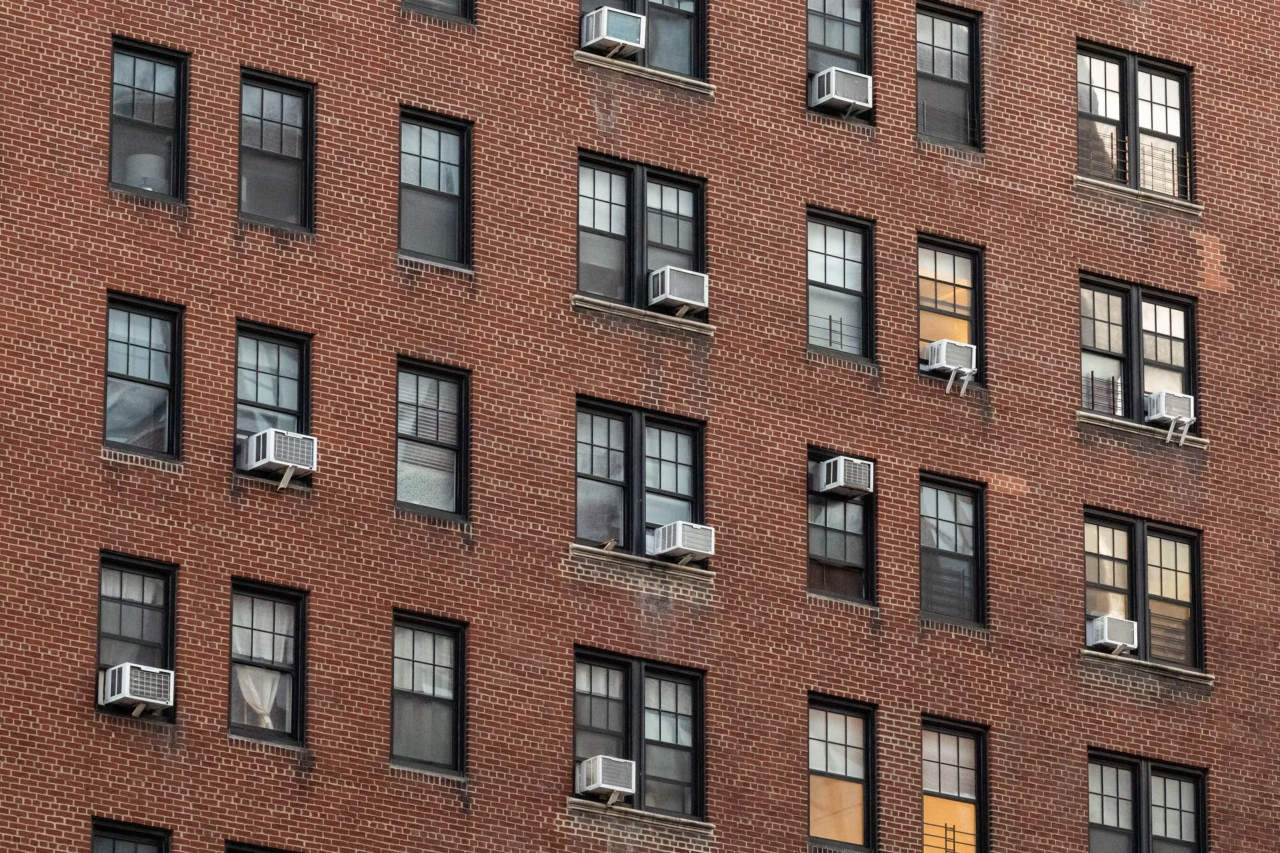
The risk is high in places that he calls “green-grass markets,” where moisture lets all kinds of things grow naturally—including mold. It’s even higher in buildings that predate the invention of home air conditioning. In New York City, for example, most ACs hanging out the window sills probably aren’t very pretty inside.
“If you open up one of those in your average green-grass-market home,” Orr says, “you would be disgusted.”
The good news is that all that disgusting stuff can be mitigated with proper maintenance. Every six months, Orr removes the blower wheel from the mini-split in his own home and gives it a bath. The bad news is that you will probably never do anything like that.
I definitely won’t. What I lack in handiness, I make up for in laziness. I managed to break a sweat just checking my ACs for mold.
So when I made sure there was none, I requested my technician visit to get them repaired—and switched them right back on.
Write to Ben Cohen at ben.cohen@wsj.com
No comments:
Post a Comment